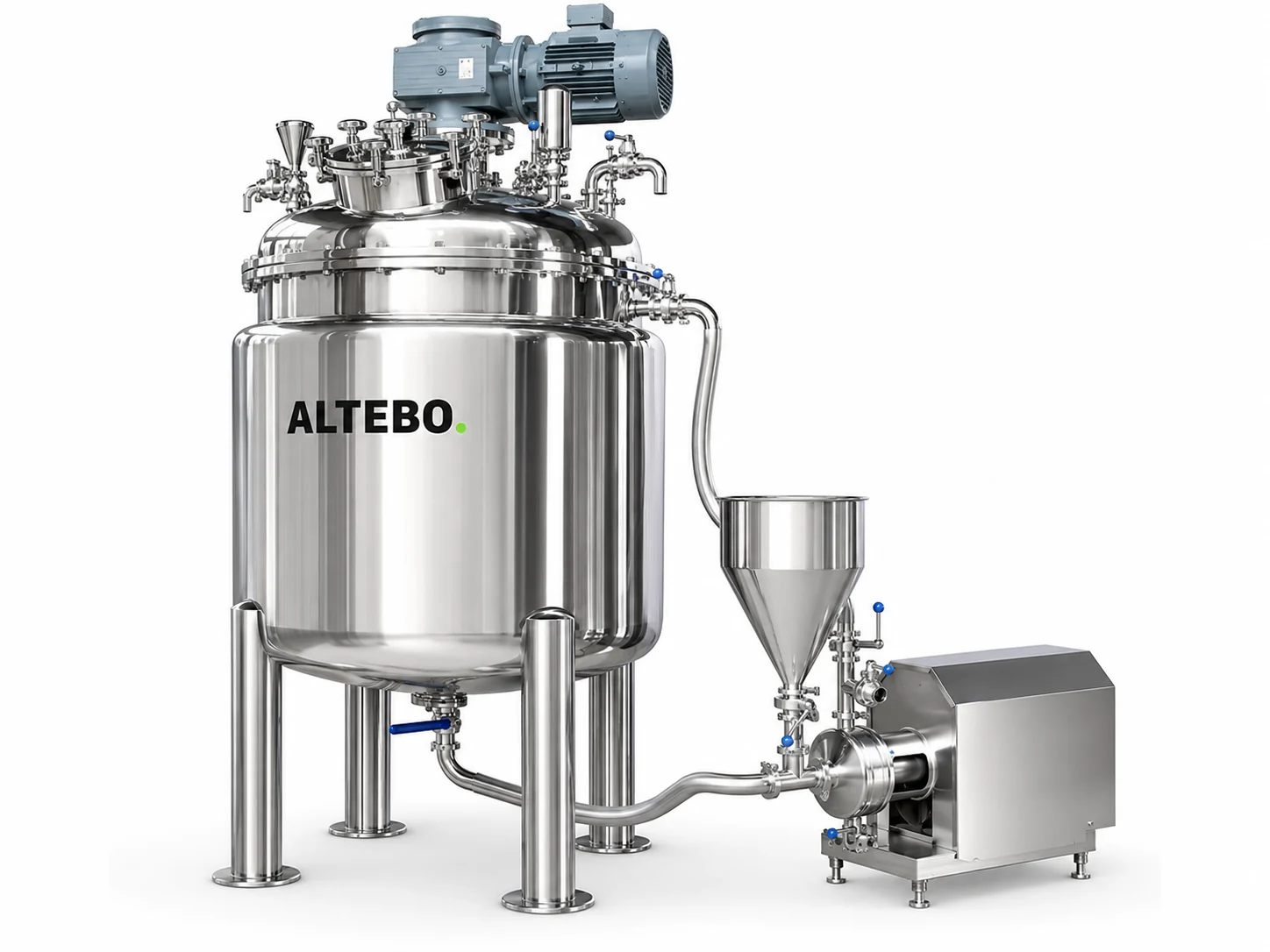
Temperature control
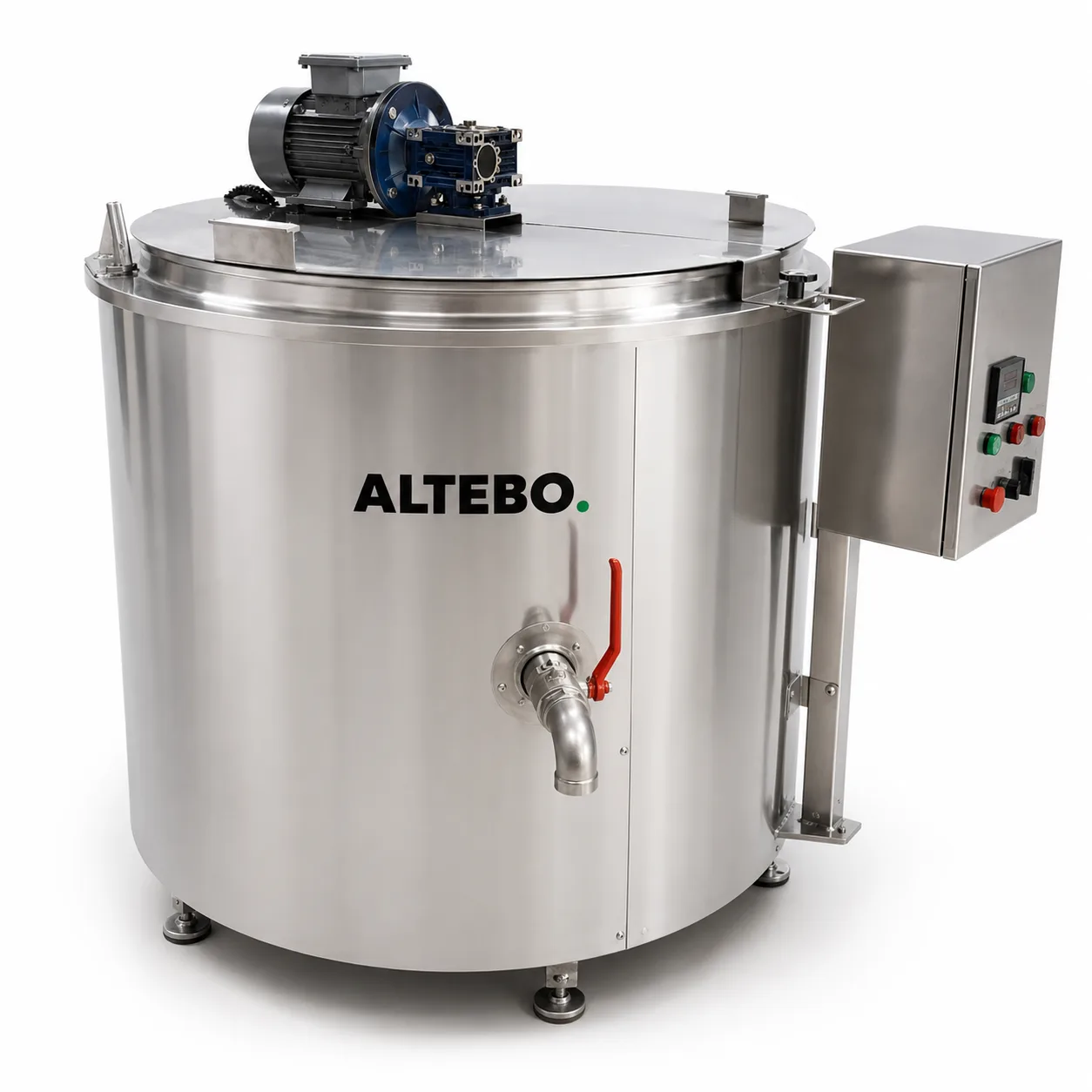
Jacket or half-pipe coil for heating and cooling, sized on the peak heat release of the reaction — not on its average.
Process systems
Machines in which mixing is only one of the variables. The rest is controlling temperature through an exothermic reaction, running under vacuum or pressure, the order and rate of dosing, recovering the solvent and recording everything that happened during the batch — so the next one comes out identical.
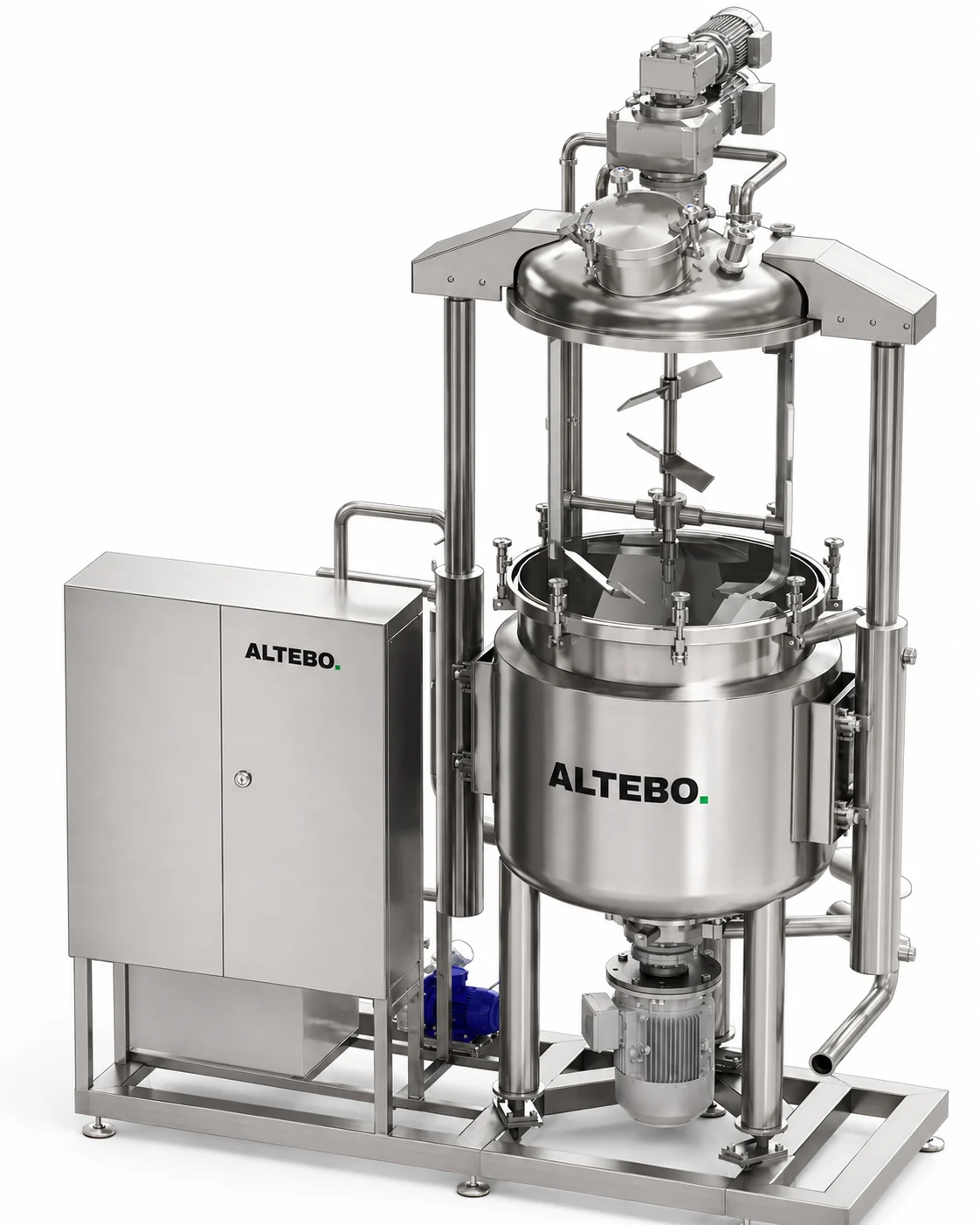
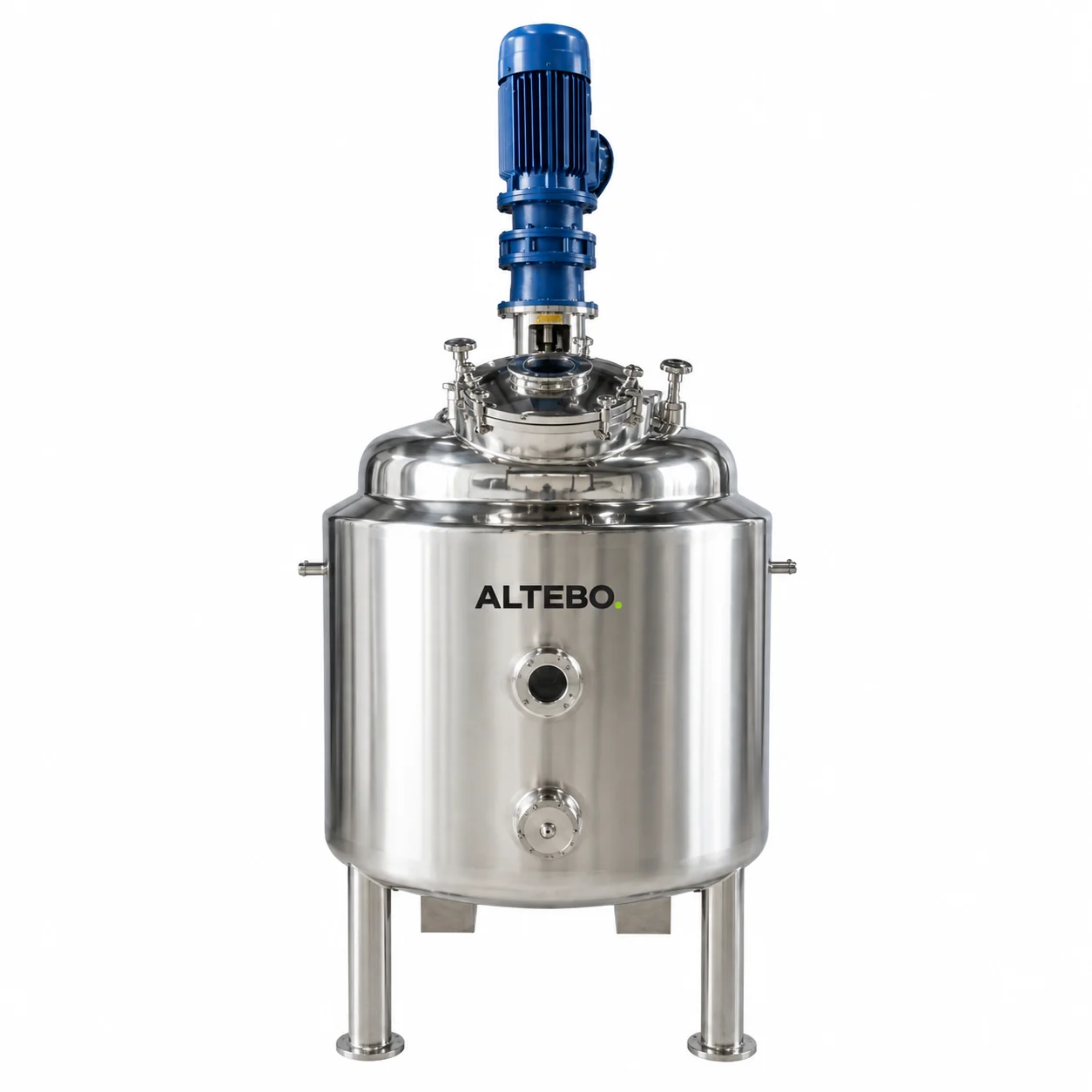
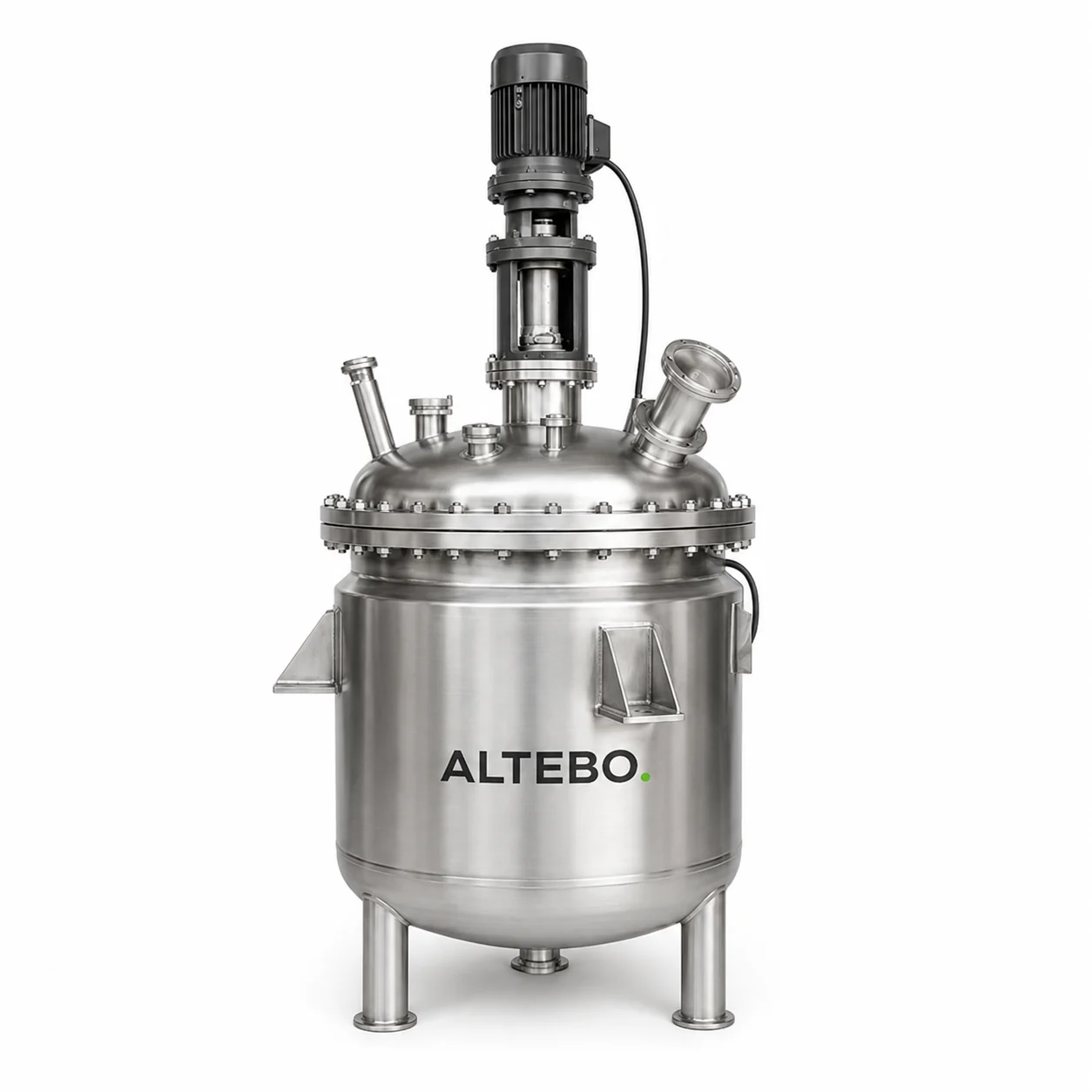
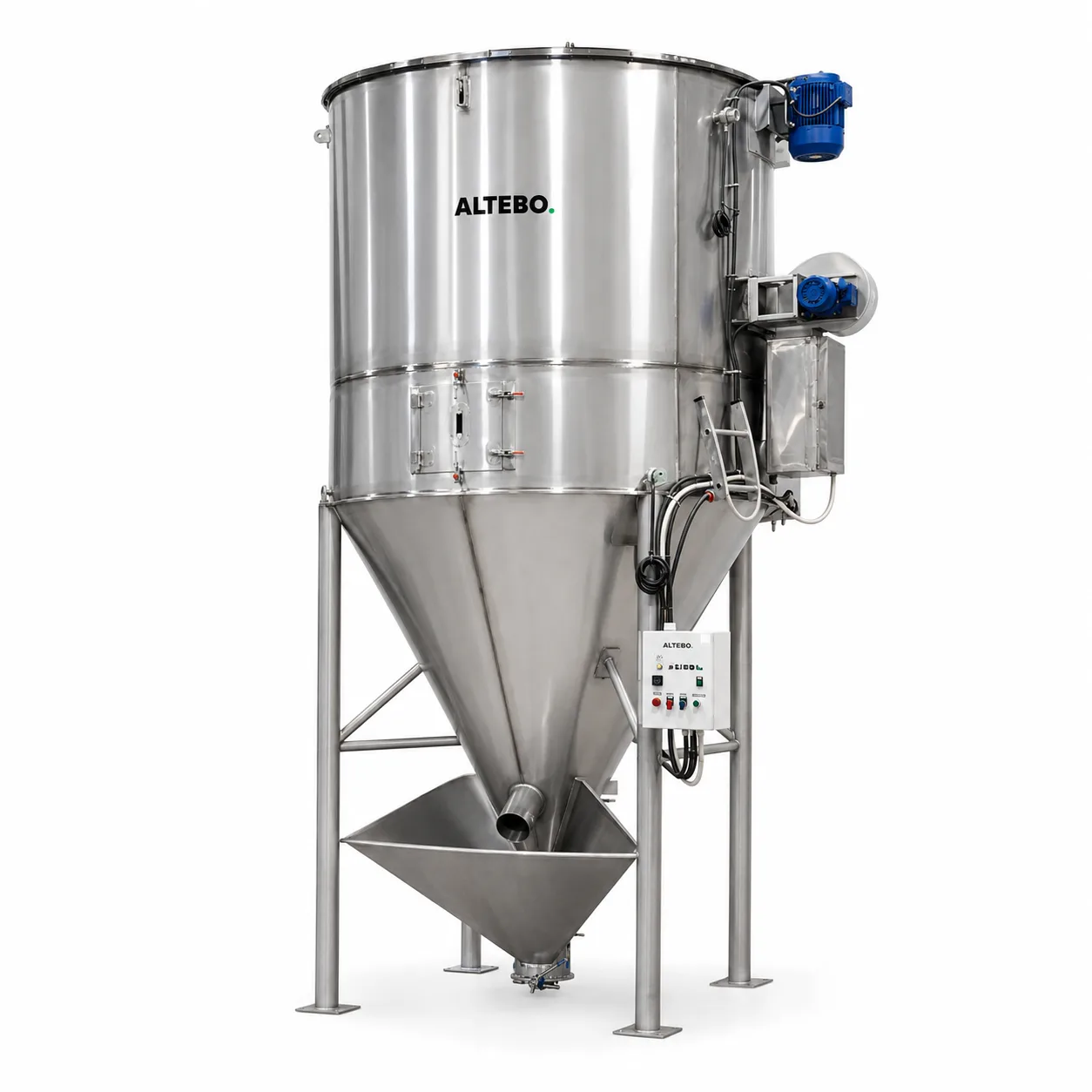
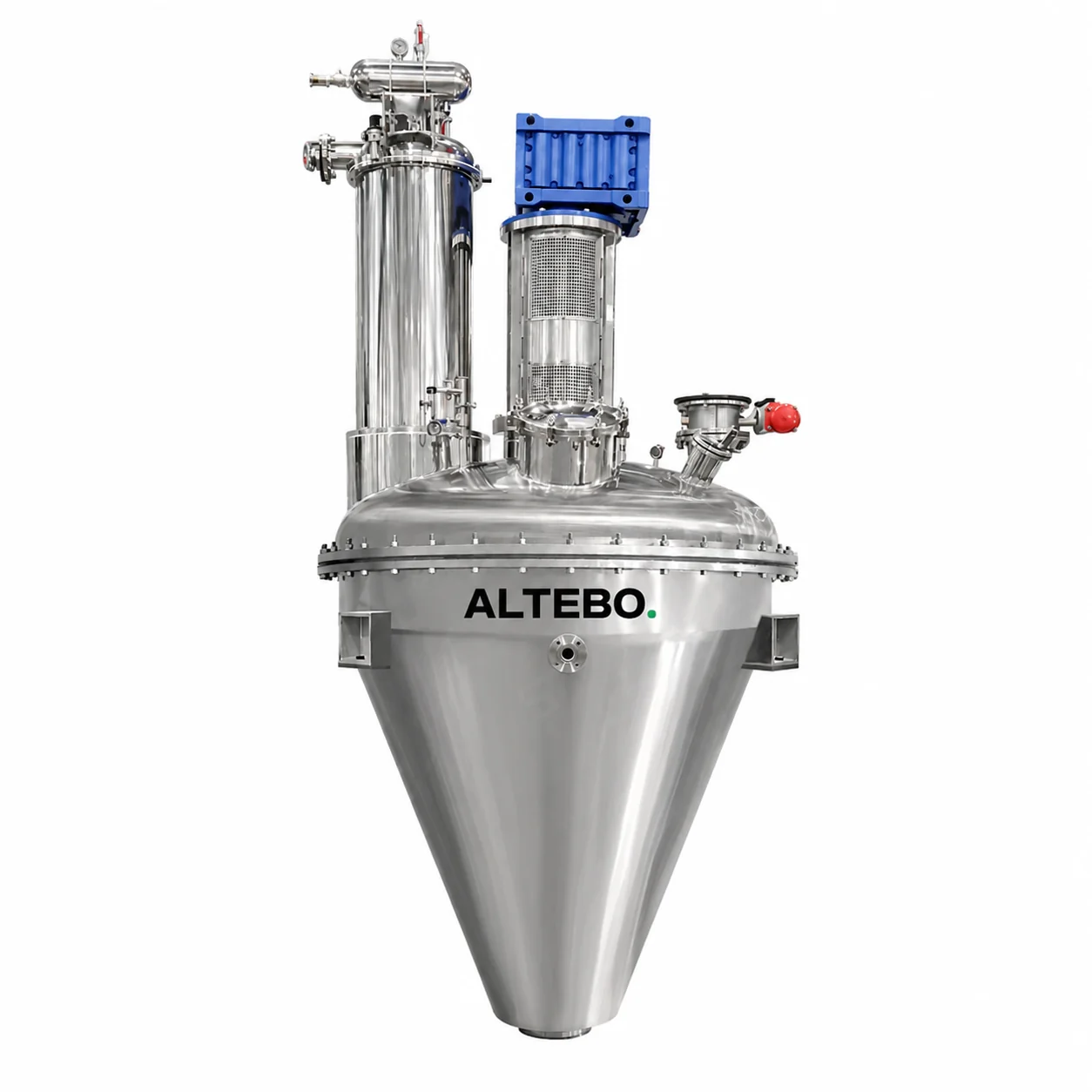
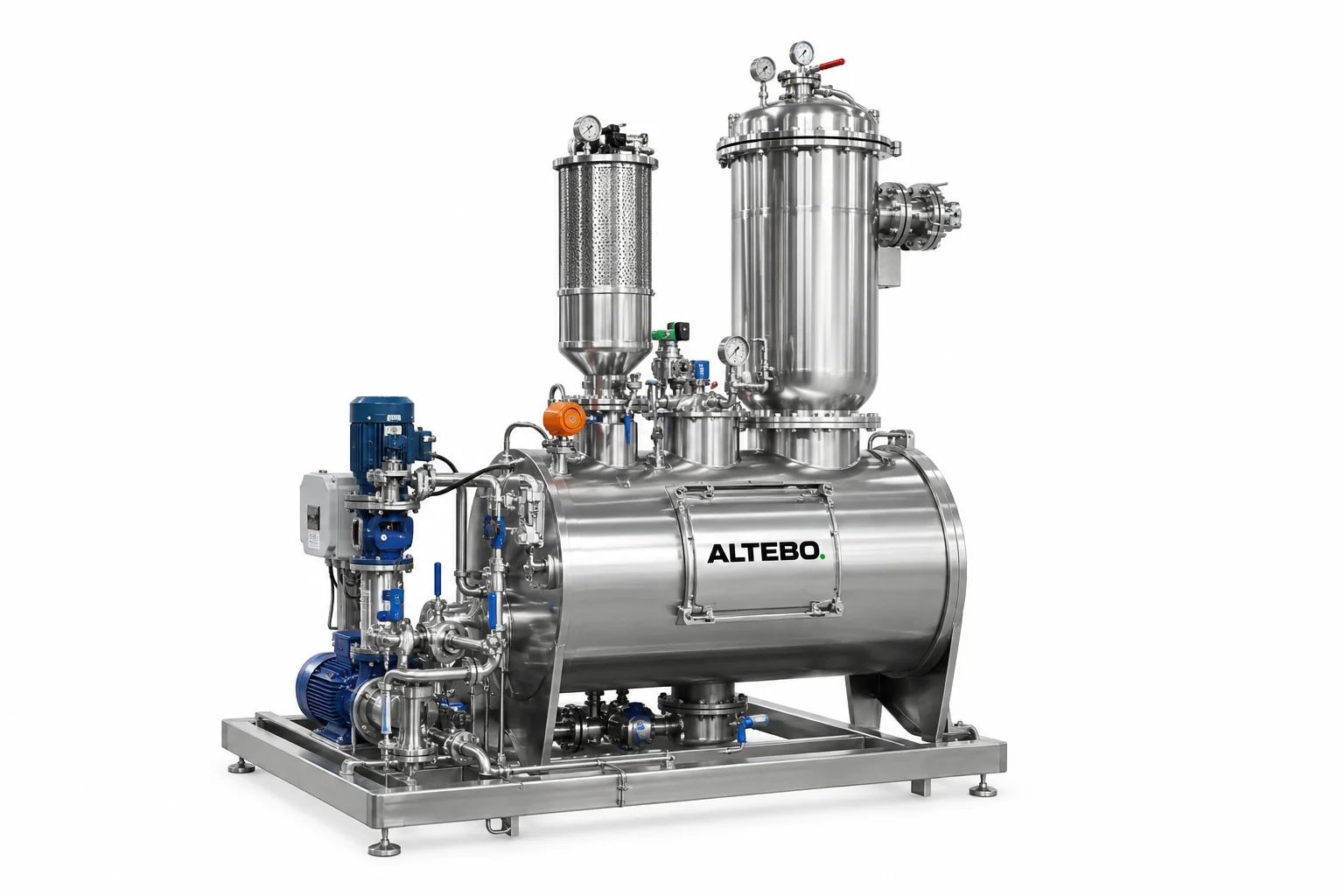
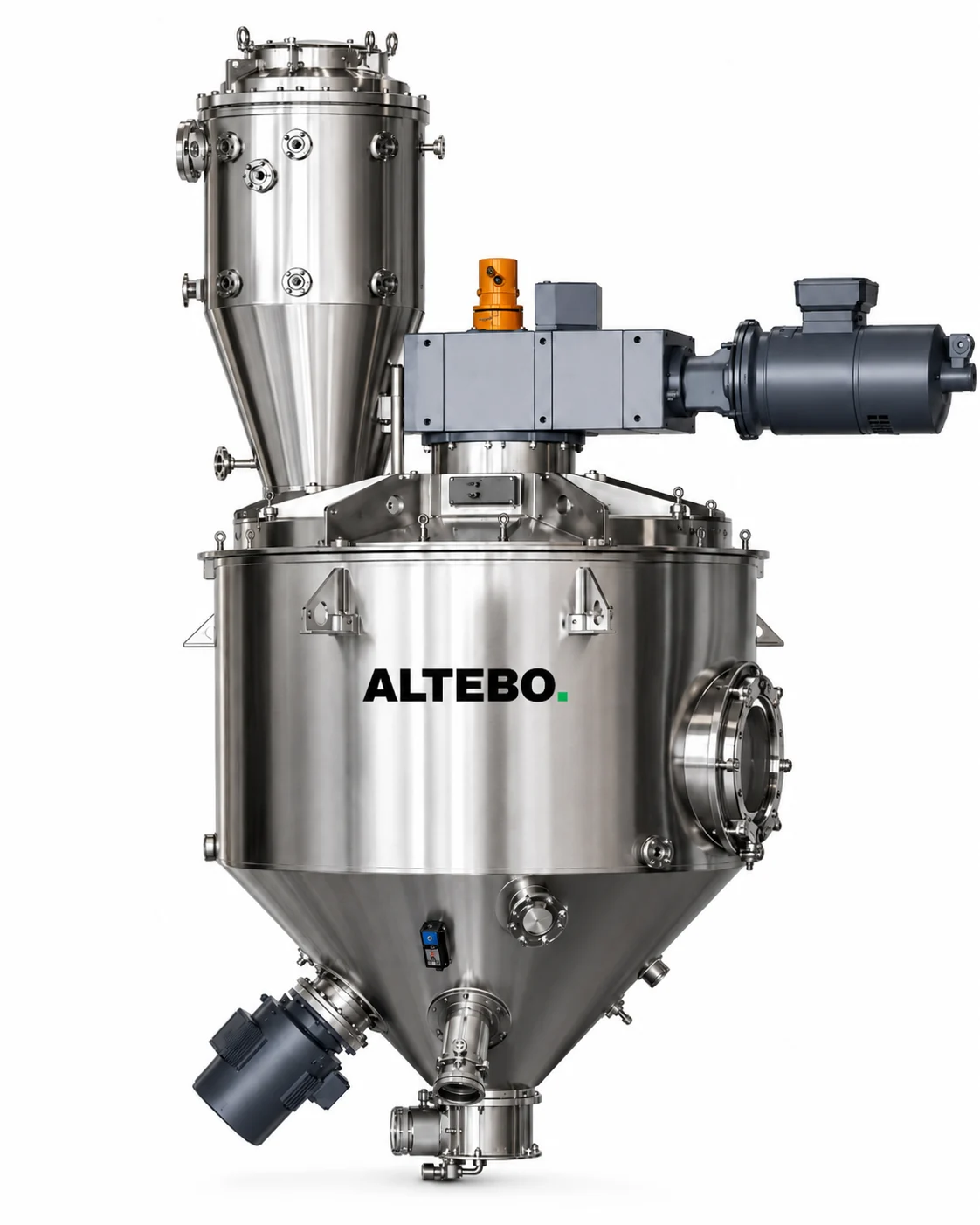
A closed vessel with a heating and cooling jacket and an agitator sized on the rheology of the batch. Mixing is only one part: the rest is temperature and pressure control, dosing of components and traceability of the recipe.
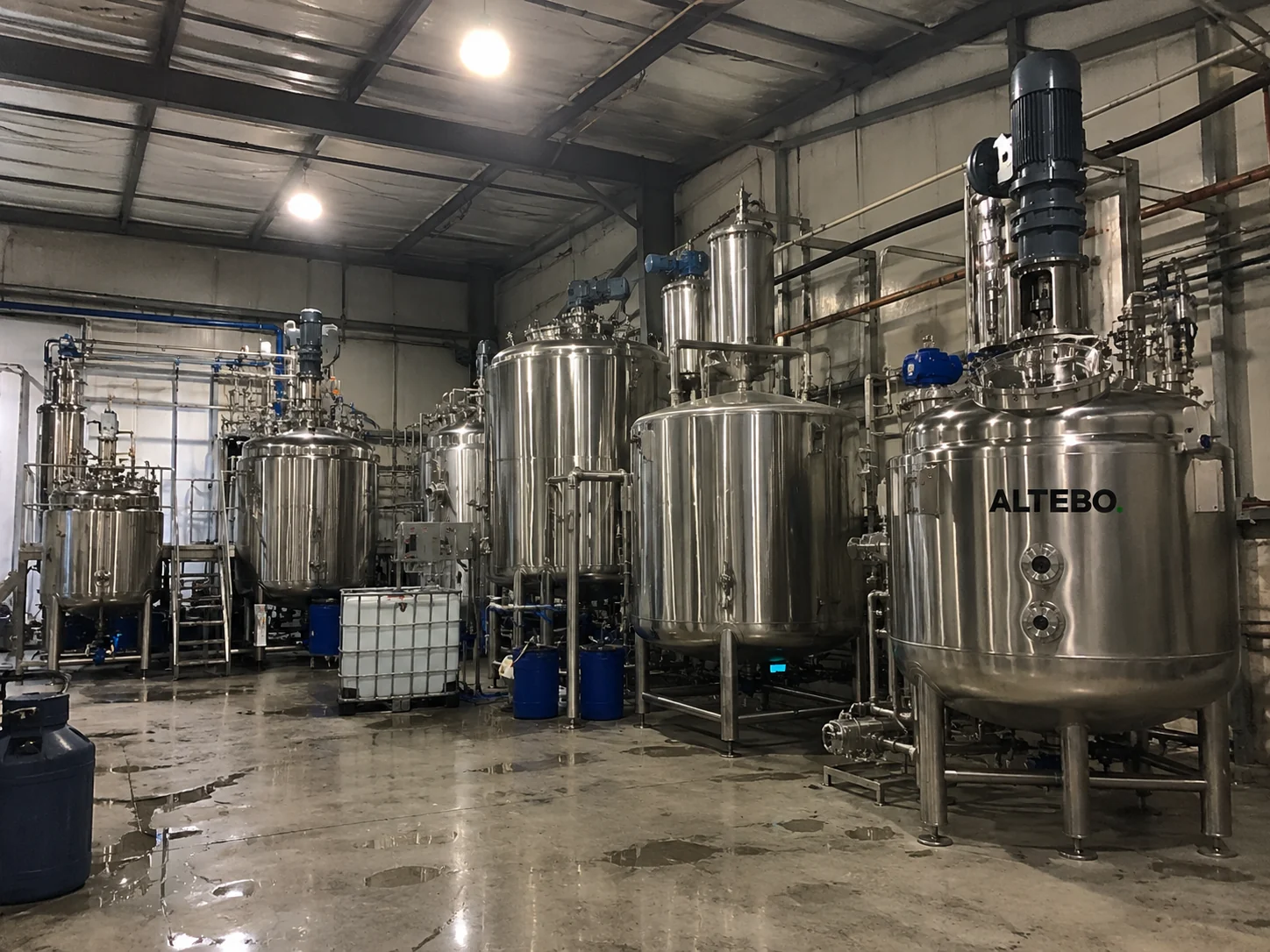
Built to order
We run the whole chain in our own plants in Tomești (Iași county) and Bălți: design, cutting, welding, machining, assembly, testing and automation.
Vacuum lowers the boiling point of the solvent, so the product dries at a temperature at which it does not degrade. Chosen when the material is heat-sensitive, when the solvent has to be recovered, or when the product must never meet the hall atmosphere.
Jacket or half-pipe coil for heating and cooling, sized on the peak heat release of the reaction — not on its average.
The operating regime is defined at design stage, together with the certification requirements that apply to your process.
Dosing ports in the lid, load cells under the frame, addition sequences driven from the recipe.
Vapour filter and condenser: the solvent is collected instead of reaching the vacuum pump or the hall.
CIP and, where the process calls for it, SIP with steam — with internal geometry free of retention pockets.
The control panel and the PLC software are built in the same plant as the vessel, so the process diagram and the electrical drawing come from the same team.
Volume on its own says nothing. A 5,000 L reactor for a resin and one for an aqueous solution are two different machines, with installed power differing by a factor of several.
Send us your process dataThe product, the viscosity, the batch size and the operating regime — an engineer answers, normally within 48 hours.